What Can History And Art Teach Us About Guaranteeing The Three Basic Needs?
The Tragedy Of Yelena And The Slingshot Method
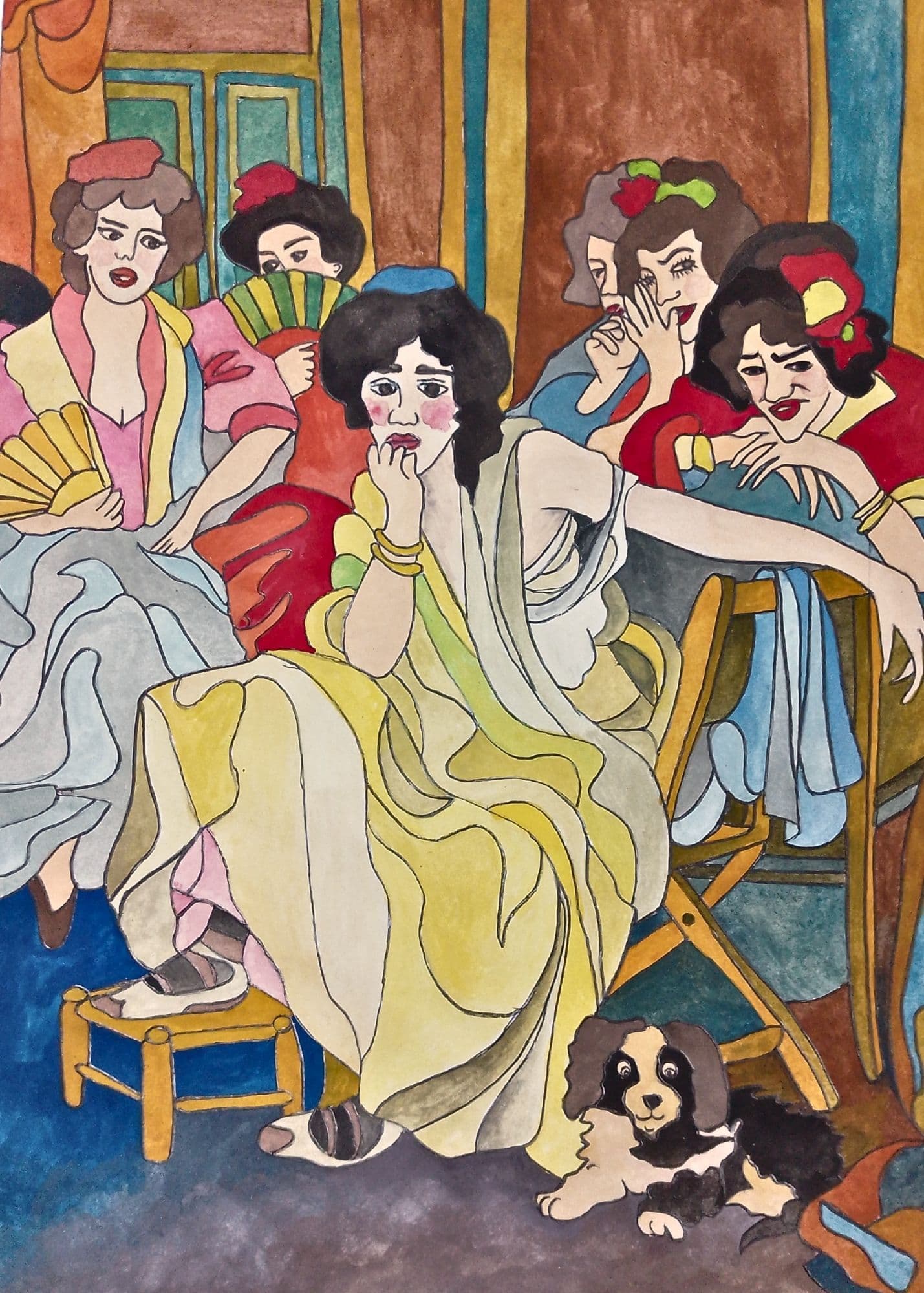
This illustration is about Ivan the Terrible’s daughter-in-law, Yelena. Yelena was sitting in her room at the Kremlin Palace. Suddenly, Ivan the Terrible entered the room and saw her in a thin nightgown. She was a pregnant woman and was very tired. She hadn’t prepared for a meeting with Ivan the Terrible by wearing a layered, formal palace dress before he entered the room. Ivan the Terrible went crazy and attacked her. Unfortunately, the baby in her womb died because of this violence. We can’t turn back time to save Yelena, but we can analyze our daily life according to the “love your neighbor as yourself” education.
I want to explain the “slingshot method” today as a solution to these problems. First of all, you need a guide, like a teacher or a book. You can find one yourself, or you can read my articles. It should give you an ideal world’s perspective: food for everyone, safe shelter for everyone, and a small society that lives by the “love your neighbor as yourself” law. This guide is like a slingshot, and you are a stone in this slingshot. You should separate your life into two time zones: maybe night and day. Maybe before noon and afternoon. This is your milestone for your improvement.
Your guide gives you an ideal world perspective and throws you into the exterior world with pure and good ideas. But you see women like Yelena, some killers, some unjust rulers, and some ill and poor people. You will be disappointed completely and definitely. Now, you have a responsibility as a thrown stone. You should return to the guide for purification. You should listen and learn about “love your neighbor as yourself” from your guide.
If you do that, you will improve through every bad situation, every problem, and every evil event, and you will need to learn and live in a “love your neighbor as yourself” society more and more. If you accept being a stone in the slingshot, it won’t be easy because every time your guide will throw you even farther away. This process is called correction or purification.
You can escape to a mountain or a cave like a monk. In this case, your desire and abilities for “love your neighbor as yourself” will stay small. You will think you are at peace when you don’t look at the external world. We must look at Yelena, and we should desire to return to our guide more and more. The guide pulls you back before throwing you far away with pleasure, energy, and a grown perspective for solutions.
In this case, you need a small group of people for reading and feeling your common source, which is your guide. You can choose your guide and your environment, but you cannot choose which bad experiences will come to you. Stand up and turn to your guide. This is the slingshot method in the ideal world-building process of guaranteeing the three basic needs.
Do you accept it, for every day, for every moment? The throwing sequence is connected to your improvement. We can’t stop evil, but we can use it as a tool for improving our guided small group of people. This is very important for our next generation, which will include people like Yelena and Ivan the Terrible.
The Tortoise Trainer: Why Hungry Societies Cannot See The Light
Osman Hamdi Bey was an Orientalist artist, and he wanted to explain in his painting, The Tortoise Trainer, that if a society feels hungry, they cannot lift their heads toward the light of the window. The tortoises symbolize all of humanity. We cannot say Osman Hamdi Bey criticized the Ottoman Empire; rather, he wanted to illustrate this natural law with his brush. What is this natural law? Every one of us requires three basic needs. The tortoises were like hungry people who needed food; they were in an old yet contemporary place and needed safe shelter. They focused only on food, but not on each other through the law of “love your neighbor as yourself.” If we do not feel safe, we focus only on getting more food than others. The tortoises focused on food instead of the light and neighborly love because they felt trapped in a struggle, like people facing economic problems. They were so slow to accept innovations; they were very hungry and competitive with one another. Can you be a tortoise trainer for the people of our time? Most of them are very slow, very hungry, very competitive, and fearful. Can you play a flute for them? Can you paint an illustration for them? Can you write articles and speak languages for them?
Queen Elizabeth I: The Royal Struggle For Safe Shelter And Food
Queen Elizabeth I was born into royalty, but she never found a guarantee of food and shelter. She was a toddler when her mother was executed by her father. Her mother's name was Anne Boleyn. After that, Queen Elizabeth I was imprisoned by her sister in the Tower of London. She had no guarantee of survival. She felt anxiety and saved herself with harsh decisions. She had to act strong and enforce strict rules over the citizens. She never trusted her environment because if she didn't execute someone, they could kill her.
Today, we don’t have kings or queens with absolute power, but we have leaders, diplomacy, and political parties. Their members feel like Queen Elizabeth I more or less, and they want to secure their food and shelter. We cannot blame them, but we can correct ourselves while we build a new universal society.
If we don’t give the three basic needs to our children, they will start competing for food and shelter. This is not a surprise. Your daughter can be a queen, but there is no guarantee of food and safe shelter for her lifetime! This was terrible for Elizabeth I, and this is terrible for your and our daughters.
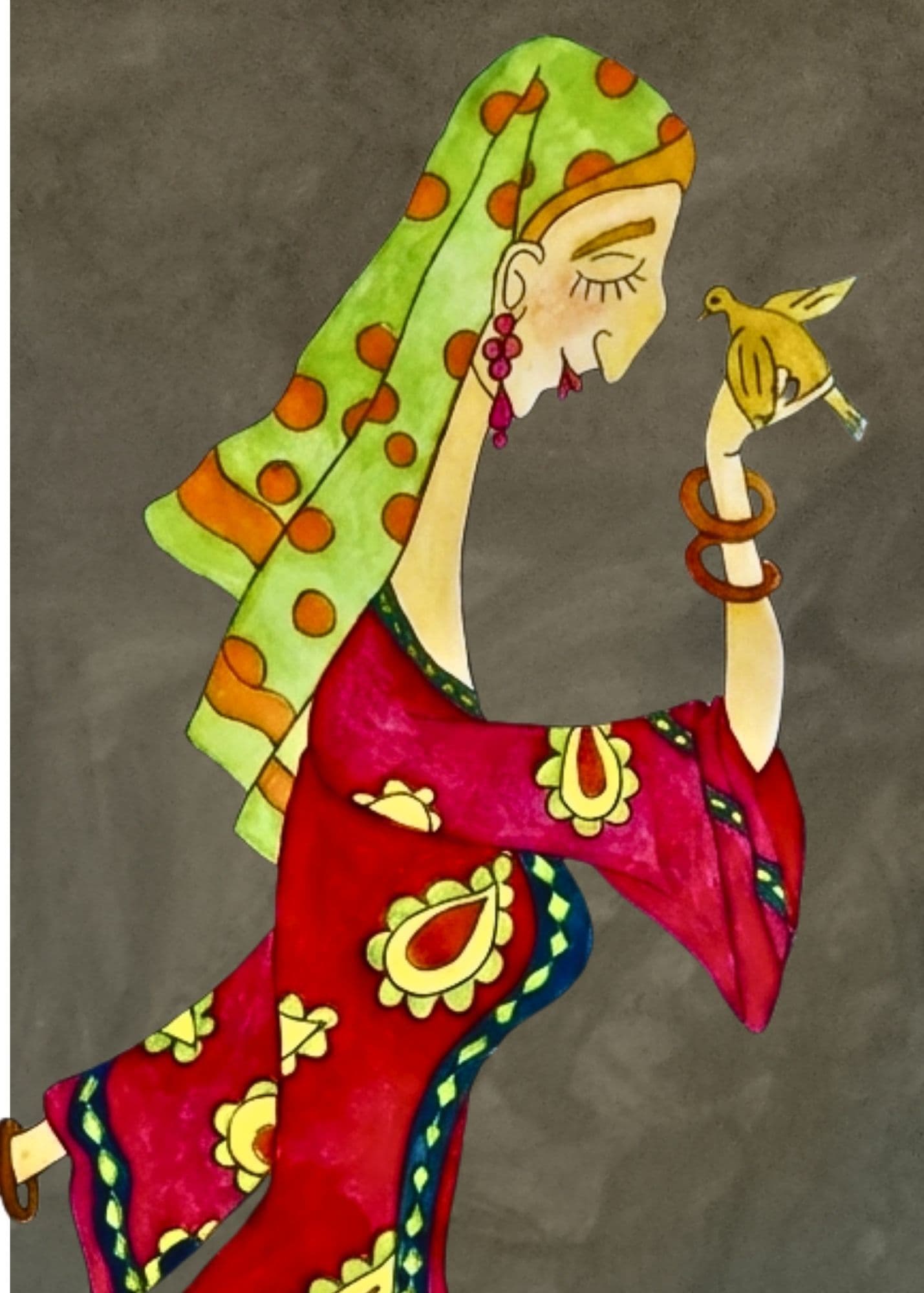
A toddler girl like Elizabeth I needs to know her mother lives in a safe shelter with plenty of food. Additionally, every toddler girl needs a good environment in a “love your neighbor as yourself” society.